Indeed Alternatives for Recruiters in 2026
Indeed is still one of the largest hiring platforms in the market, but it may not always the best answer for every recruiting need. Here are the best Indeed alternatives:
Not every Indeed alternative solves the same problem. Some improve quality, some improve process, and some are simply better for niche hiring categories.
Here's a short overview:
All 10 alternatives at a glance
Use this list to decide which platform deserves your first budget allocation before adding broader channels.
| # | Alternative | Best for | Pricing | When it beats Indeed |
|---|---|---|---|---|
| 1 | LinkedIn Jobs & Recruiter | Professional recruiting and passive candidates | 1 free job at a time; promoted jobs use a flexible budget model; larger contracts via Job Slots | When you need outbound sourcing instead of relying on inbound volume. |
| 2 | ZipRecruiter | Broad distribution with a simpler workflow | Free trial; then fixed monthly plans | When your team wants fast setup and general applicant flow without a heavy sourcing workflow. |
| 3 | BilingualJobs.io Best for bilingual jobs | Bilingual or multilingual recruiting | From $99 per 30-day post | When language skills are central to the role and general job-board volume creates too much noise. |
| 4 | Glassdoor for Employers | Strong employer brand and reviews | Free basic employer profile; paid employer branding plans are custom/quote-based | When employer brand and reputation matter more than raw applicant numbers. |
| 5 | Hired | Hard-to-find engineering candidates | Now part of LHH; pricing is not publicly listed and is handled via contact/quote | When you want a more curated route to technical talent. |
| 6 | Wellfound (formerly AngelList) | Startups or early-stage teams | Free basic access; promoted jobs from $200; Recruit Pro $499/month; Autopilot custom | When startup context and candidate self-selection matter more than scale. |
| 7 | Dice | Tech or engineering talent | $399 for one 30-day job slot; plans from $649/month | When you need more precise technical filtering than a broad board usually offers. |
| 8 | ATS Native Job Boards (Greenhouse / Lever) | Cleaner workflows in hiring system | Greenhouse and Lever both use custom pricing based on hiring needs and company size | When your team wants better process control and centralized hiring data. |
| 9 | Upwork Enterprise | Freelance or contract-to-hire talent | Custom enterprise pricing based on service level and program scope | When flexible talent is a better fit than a standard full-time search. |
| 10 | AI Sourcing Copilots (e.g., Juicebox / Metaview) | Outbound candidate discovery | Juicebox plans start at $119; Metaview sourcing plans start at $100/month and scale upward | When hard-to-fill roles require proactive sourcing beyond job-board traffic. |
1. LinkedIn Jobs & Recruiter
| Pros | Cons |
|---|---|
|
|
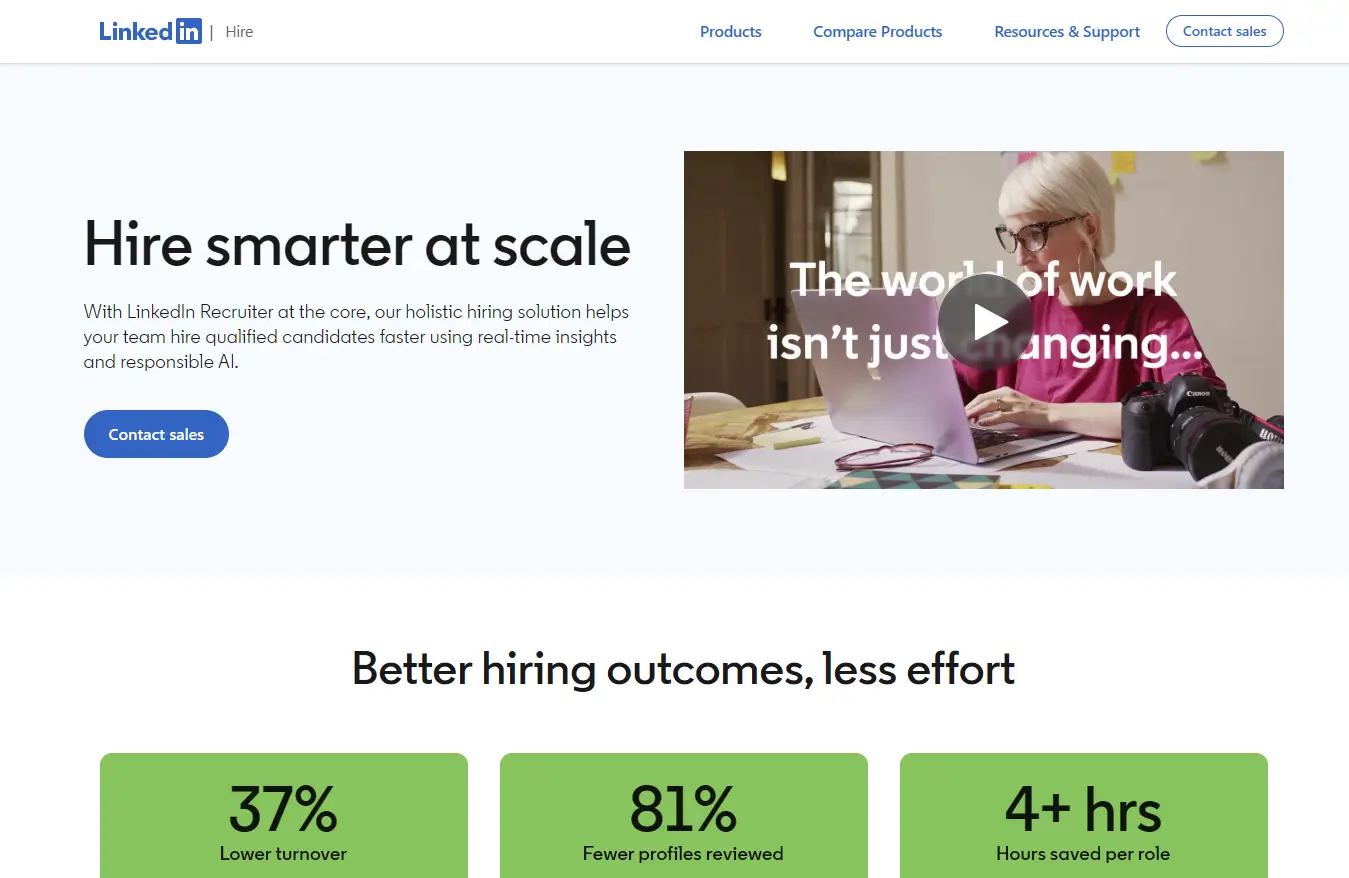
LinkedIn is one of the clearest alternatives to Indeed when your challenge is not volume, but candidate quality and access to passive talent.
Instead of depending almost entirely on active applicants, recruiters can search profiles, engage candidates directly, and build outreach around experience, networks, and employer brand.
That makes LinkedIn the stronger choice for professional, white-collar, and mid-to-senior hiring where precision matters more than maximum applicant flow.
2. ZipRecruiter
| Pros | Cons |
|---|---|
|
|
ZipRecruiter is a practical Indeed alternative for employers who still want broad distribution, but prefer a simpler employer workflow and multi-board exposure.
It is especially relevant for teams filling general business roles, hourly jobs, or mid-volume openings where speed matters more than advanced sourcing features.
Compared with Indeed, the difference is usually less about audience type and more about workflow preference, subscription model, and the reach you get from distribution.
3. BilingualJobs.io
| Pros | Cons |
|---|---|
|
|
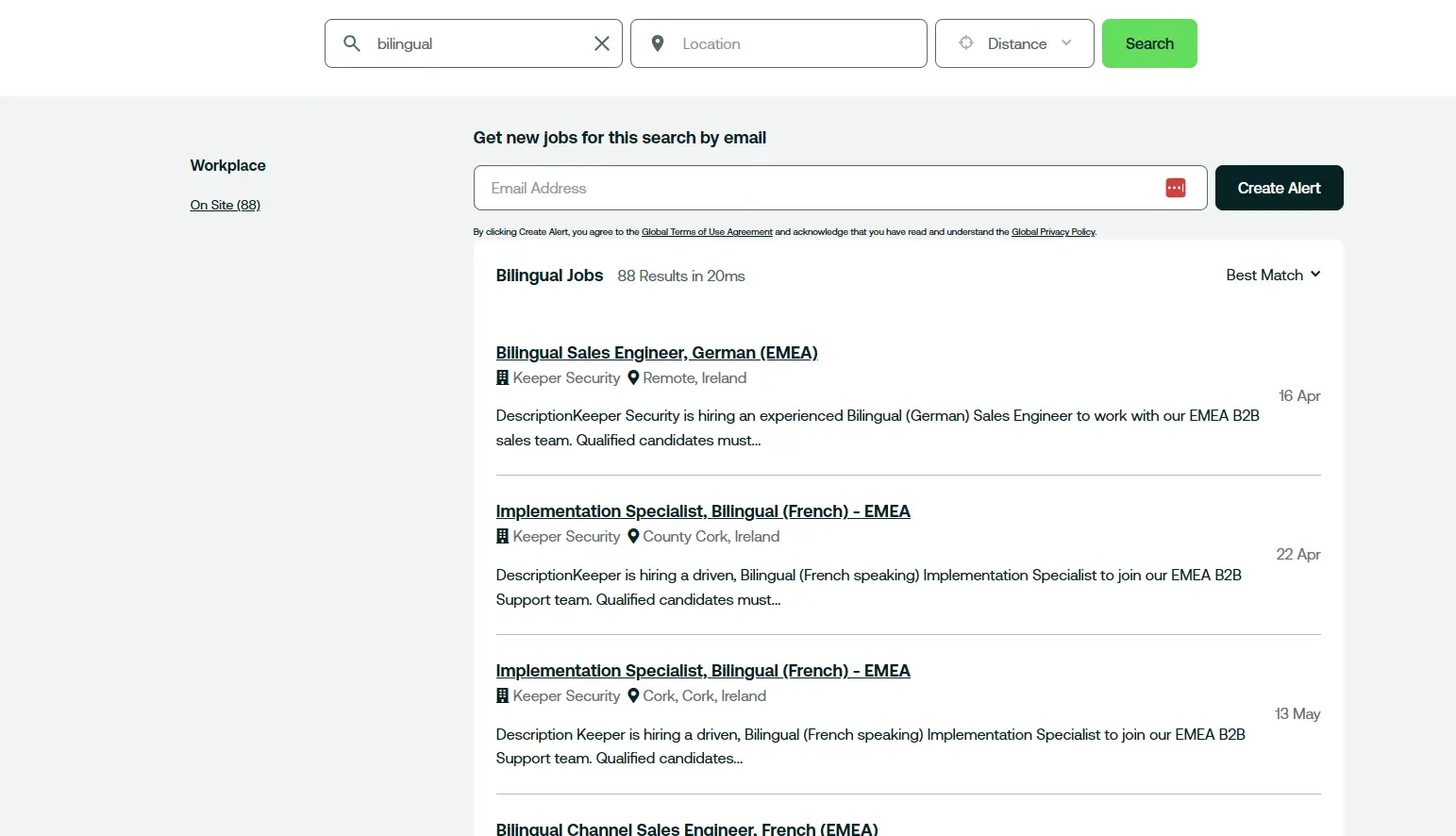
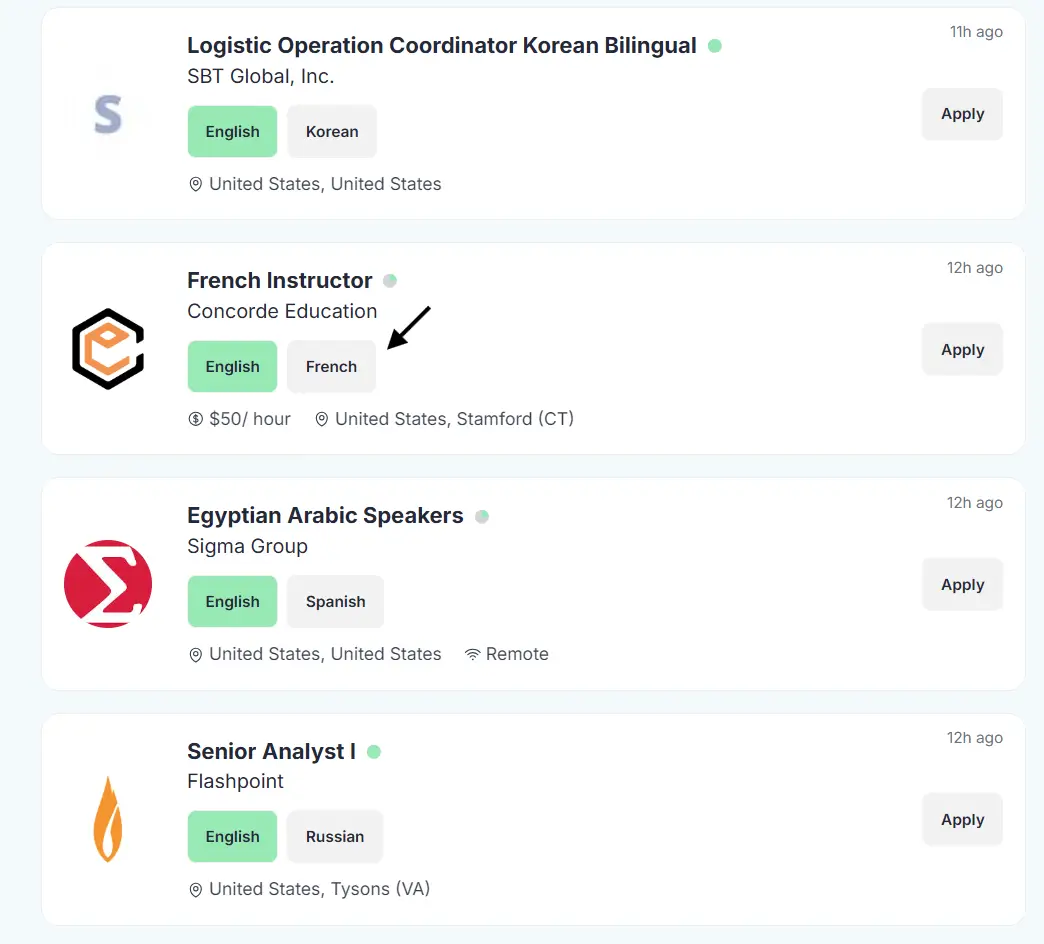
When the role depends on Spanish, Mandarin, French, Arabic, or another language, Indeed often creates too much screening work because broad volume does not equal language fit.
BilingualJobs.io is specifically built for language-first hiring in the U.S., so it becomes a much better alternative when bilingual ability defines who is actually qualified.
That makes it a strong third option in this list: smaller reach than the largest platforms, but much stronger signal quality for bilingual recruiting.
Find bilingual candidates today
Post your job today on BilingualJobs, and we'll promote your role to thousands of bilingual candidates in the USA. Used by Fortune 500 companies.
Post your bilingual job4. Glassdoor for Employers
| Pros | Cons |
|---|---|
|
|
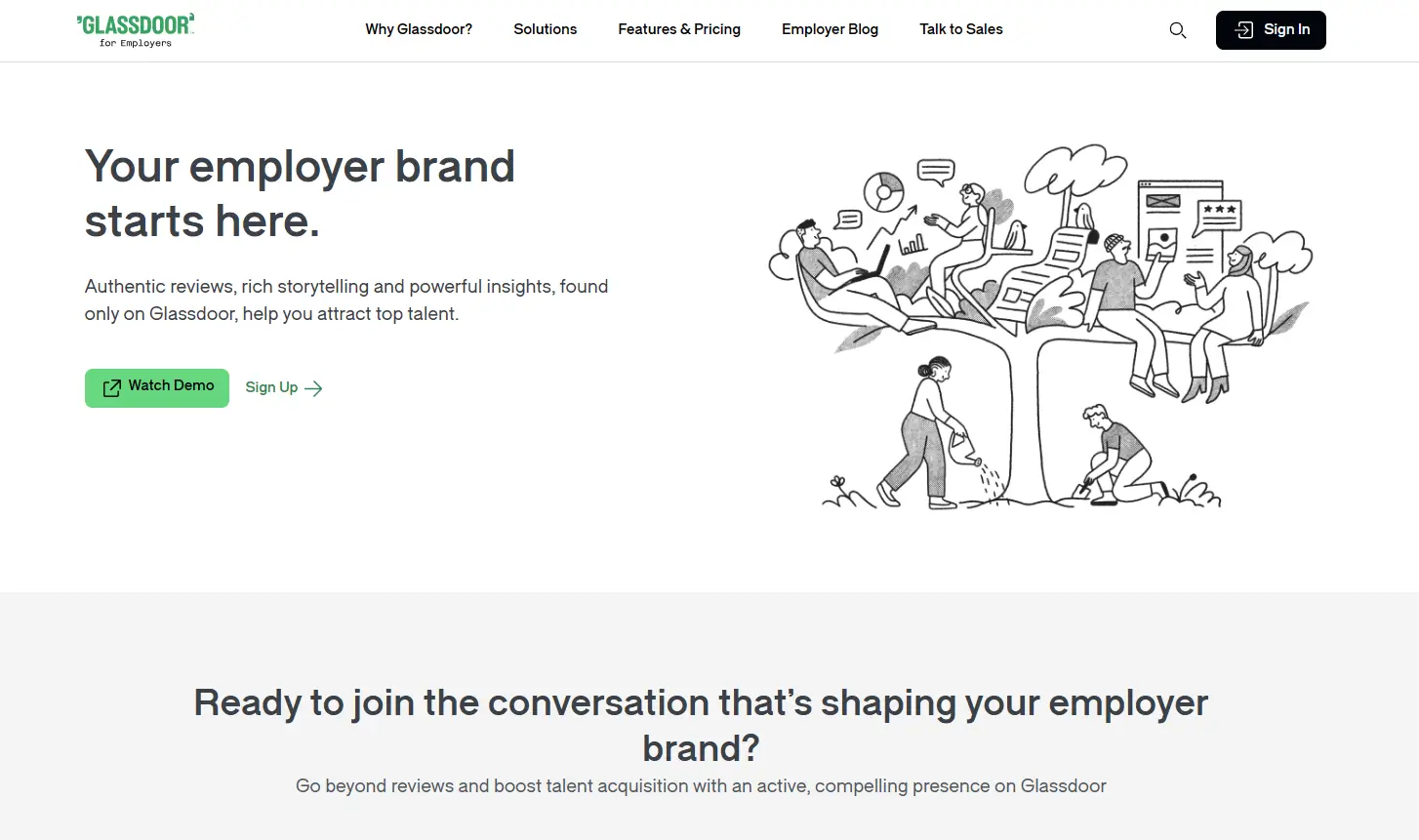
Glassdoor is a sensible Indeed alternative if your hiring performance depends on what candidates think of your company before they apply.
Because it combines jobs, reviews, salary information, and employer brand signals, it can improve conversion quality even if it does not match Indeed on raw application volume.
It works best for organizations that already invest in culture, reputation, and transparency as part of recruiting.
5. Hired
| Pros | Cons |
|---|---|
|
|
Hired remains a useful alternative when your hiring needs center on software, product, and other technical positions where curation matters.
Instead of relying on massive open applicant flow, it narrows attention toward candidates who are actively being surfaced as higher fit.
That means less reach than Indeed, but often less noise as well.

6. Wellfound (formerly AngelList)
| Pros | Cons |
|---|---|
|
|
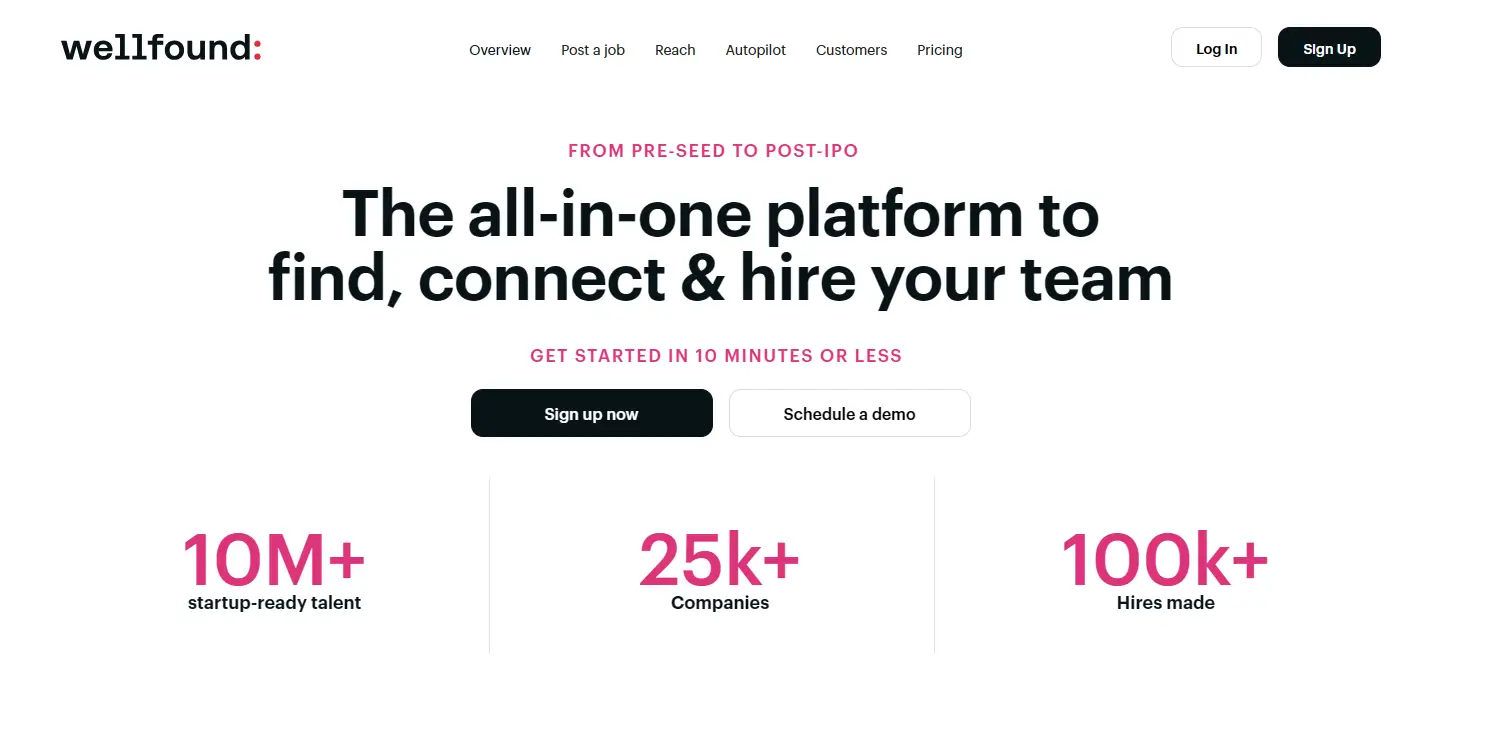
Wellfound is one of the most relevant Indeed alternatives for startups that need candidates already comfortable with equity, speed, and early-stage ambiguity.
It is narrower than Indeed by design, which is exactly why it can perform better in startup recruiting contexts.
When the company stage matters almost as much as the job itself, Wellfound is often the better channel.
7. Dice
| Pros | Cons |
|---|---|
|
|
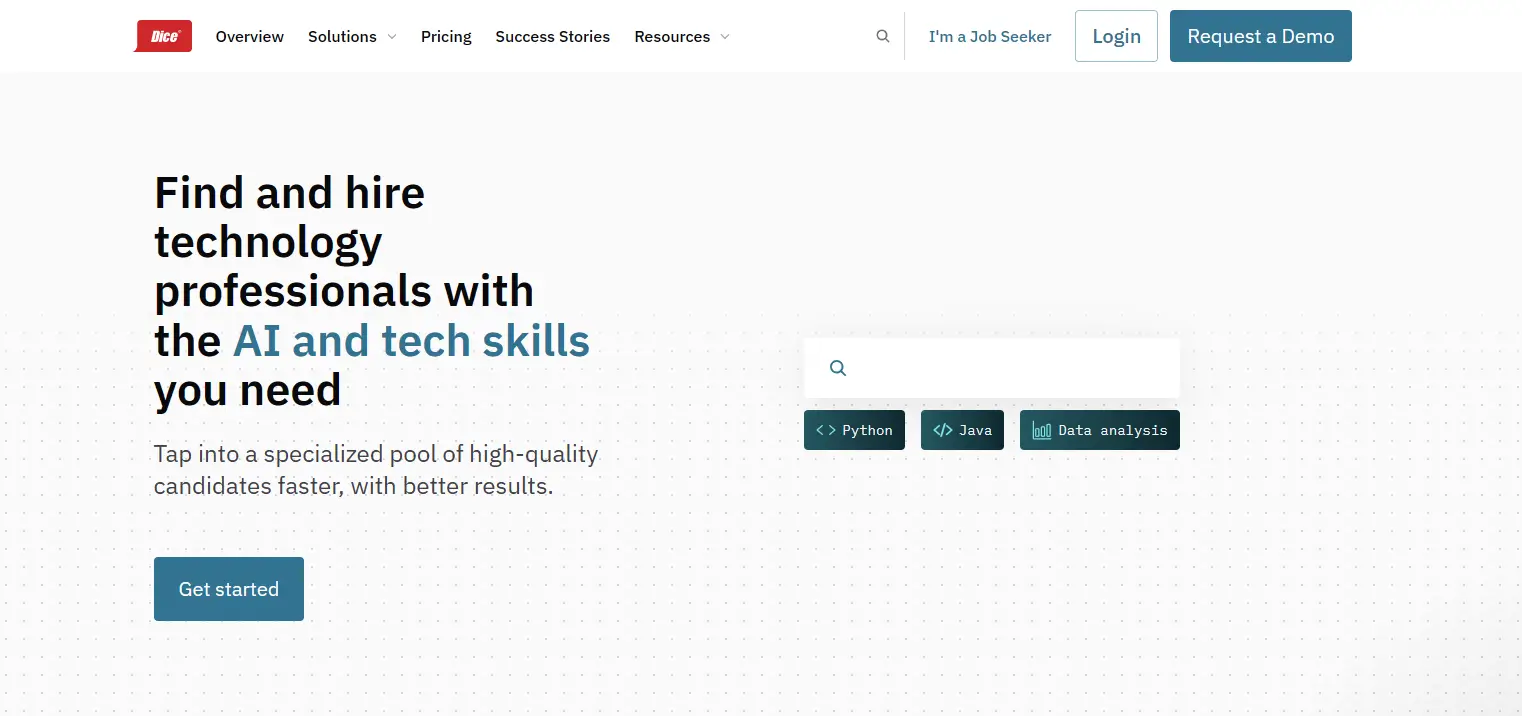
Dice is a more specialized alternative to Indeed for engineering, IT, and data hiring where search precision matters.
Indeed can bring more volume, but Dice often reduces irrelevant applications by focusing on technical talent and more specific search filters.
For teams hiring developers or infrastructure talent, that tradeoff can be worth it.
8. ATS Native Job Boards (Greenhouse / Lever)
| Pros | Cons |
|---|---|
|
|
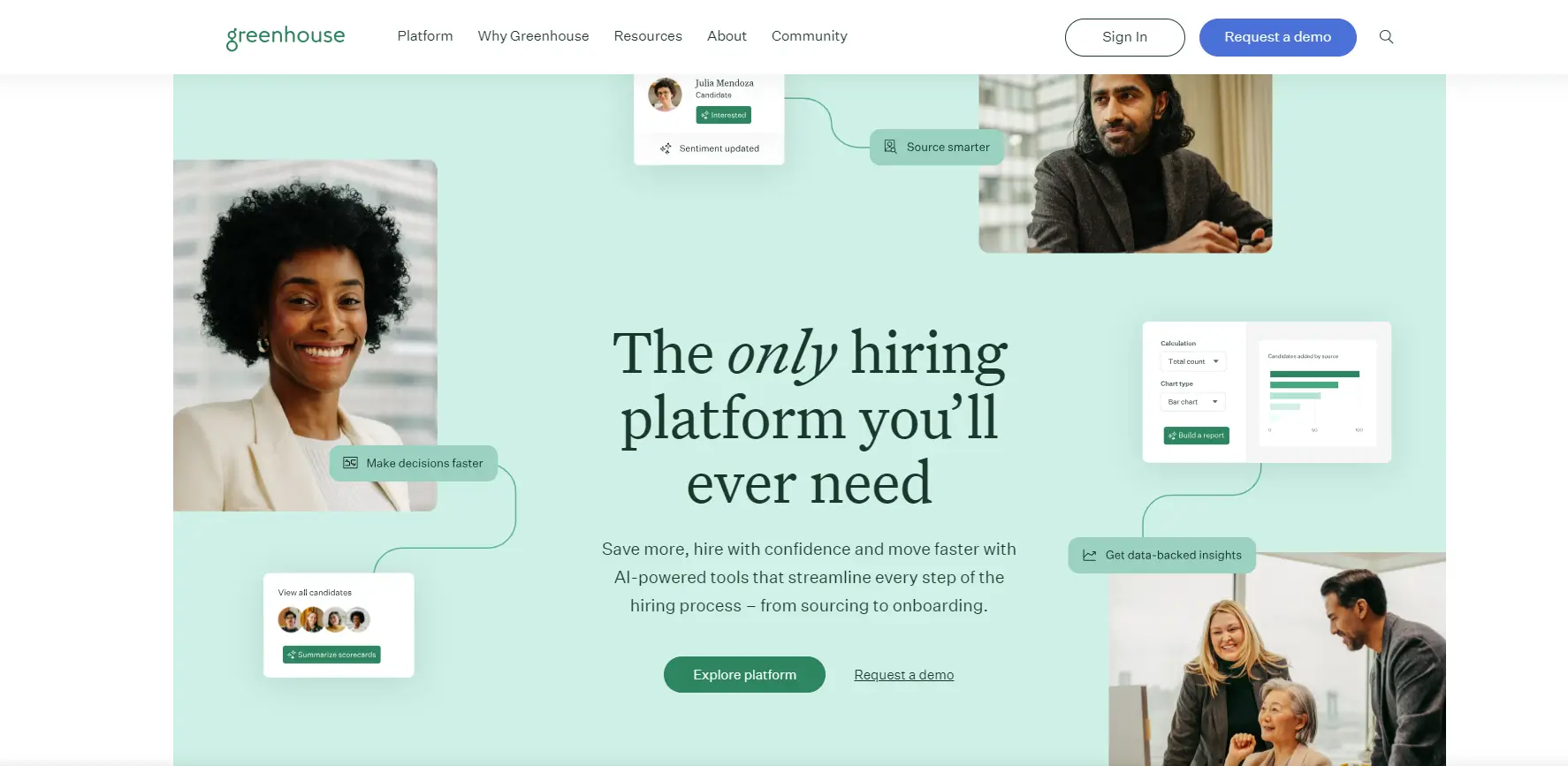
ATS-native job boards are a strong alternative to Indeed when your team is more focused on process quality than on buying more traffic.
By centralizing applications, syndication, and reporting inside your existing system, they can improve the recruiting workflow even without matching Indeed's scale.
This route is best for teams with mature recruiting operations and a careers page they actively optimize.
9. Upwork Enterprise
| Pros | Cons |
|---|---|
|
|
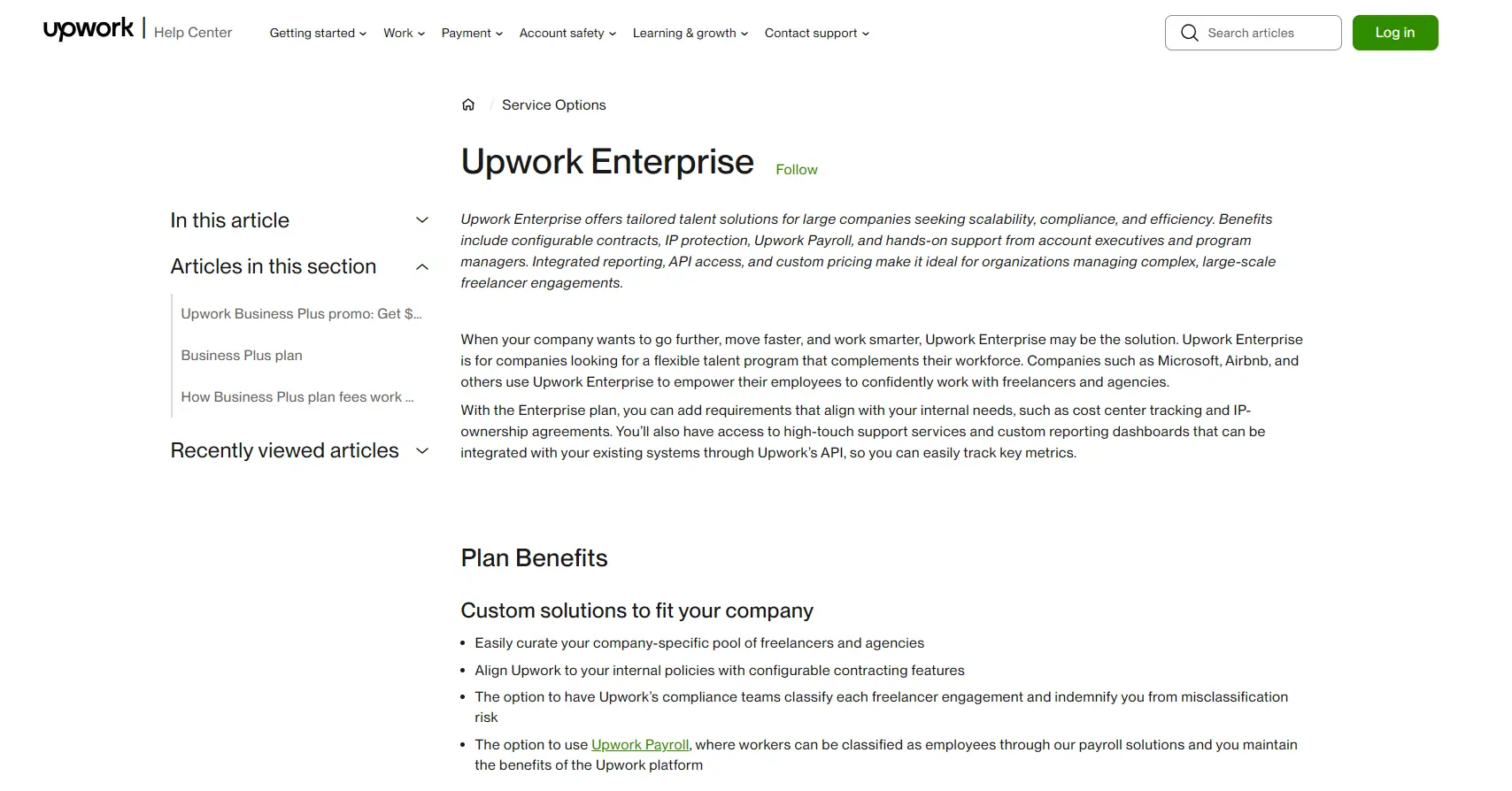
Upwork Enterprise becomes an Indeed alternative when the real solution is not another full-time job board, but a different hiring model.
If project-based, fractional, or contract work fits the need better, Upwork can move faster than a traditional full-time recruiting funnel.
That makes it a strategic alternative rather than a like-for-like replacement.
10. AI Sourcing Copilots (e.g., Juicebox / Metaview)
| Pros | Cons |
|---|---|
|
|
AI sourcing copilots are one of the more modern alternatives to Indeed because they shift the model away from waiting for applications.
They help recruiters discover and qualify passive candidates across the web, which is valuable when inbound traffic alone does not solve the role.
For difficult searches, this can outperform simply posting on another generalist board.

Which alternative should you choose?
Your best option depends on the roles you hire most often and how much screening work your team can realistically absorb.
If you want stronger access to passive talent, start with LinkedIn Recruiter. If you still want a generalist platform with a simpler workflow, ZipRecruiter is a practical next option. If language ability is the real filter, BilingualJobs.io is the stronger niche fit.




.webp&w=640&q=75)